A Pooja Room is an important room in a typical Indian house. It is also a space for contemplation, prayer, tranquility, and for family traditions inherited across generations. With changes in architectural designs and home decor trends, pooja room designs have also been modified. Homeowners are choosing contemporary pooja rooms which blend well with both the overall architecture of a house and give importance to aesthetic sense and spirituality.
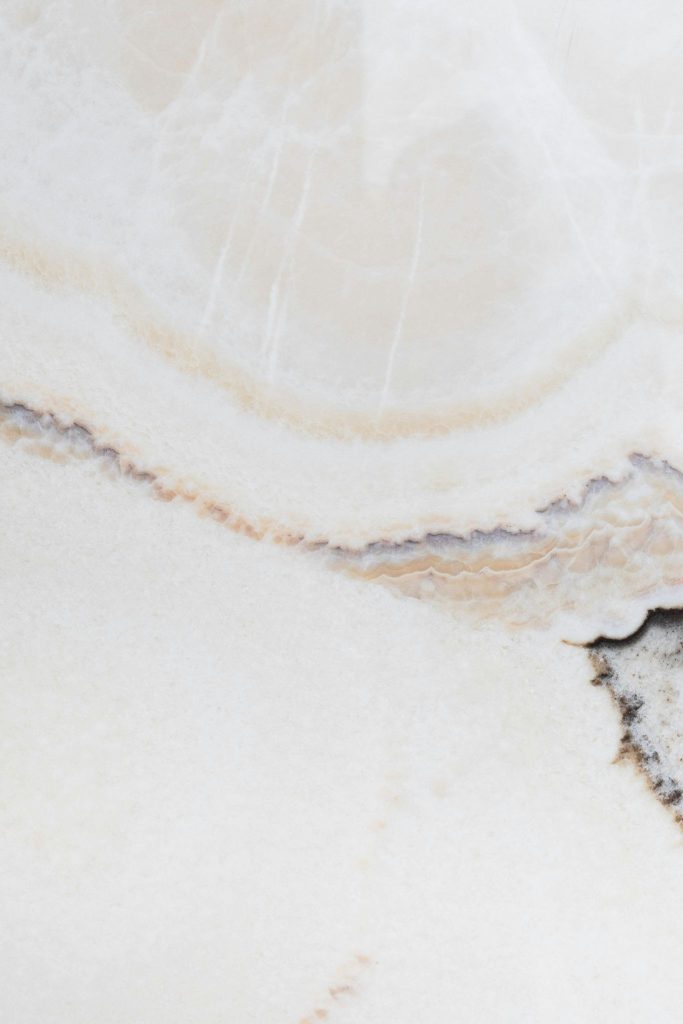
One of the widely appreciated trends in present day modern Indian homeowners is a penchant for luxury pooja room’s that have rich marble designs and intricate handicrafts and design elements for making a Pooja Room the perfect choice. For centuries marble is a traditional favourite for temple and pooja room construction across India as they embody purity and beauty in their purest form.
Luxury Pooja Room designs have now expanded from vast independent homes and are becoming an integral part of many flats, villas, duplex apartments and modern Indian dwellings that represent the merging of design and divine worship.
The Enduring Appeal of Marble in Sacred Spaces
It was traditionally used as a key material in building many Indian temples, monuments and places of prayer. The elegant and enduring quality of marble, still today contributes to the desirability of this material for contemporary pooja rooms. Why are marbles still chosen for this space?
Some of the key reasons for this are: Creates a tranquil and sacred space – the smooth texture and natural subtle patterns and brightness of marble gives it an element of purity, that people often aspire in their prayer space. While other materials might pass through shifting interior design trends, marble always look current and lasting. Its durability and lasting nature – pooja rooms are often built to be a permanent part of the home, thus it is beneficial to use a material that is durable and can last for a long time.
It does not age or degrade with constant use. It naturally elevates the aesthetic of the pooja room – beyond its functional use, marbles naturally add to the grandeur and religious ambience of the pooja room.
How Handcrafted Details Add Character
While marble provides the foundation, handcrafted details are often what transform a pooja room into a truly distinctive space. Skilled craftsmanship adds personality, artistry, and cultural depth that cannot easily be replicated through mass-produced designs.
Traditional carving techniques continue to play an important role in modern luxury pooja rooms. Intricate floral patterns, ornamental borders, religious motifs, decorative arches, and detailed pillars help create a sense of authenticity and heritage. These handcrafted elements reflect centuries of artistic traditions while bringing a unique identity to each design.
The presence of handcrafted work also creates a stronger emotional connection to the space. Homeowners often appreciate the artistry and effort involved in creating these details, making the pooja room feel more meaningful and personal.
Even in contemporary homes, handcrafted features help preserve cultural traditions while blending seamlessly with modern interiors.
The Role of Domes, Arches, and Pillars
Architectural elements such as domes, arches, and pillars have become defining features of many luxury marble pooja rooms. Inspired by traditional temple architecture, these features help create a sense of grandeur and sacredness within the home.
Domes often serve as visual focal points, drawing attention upward and creating a more temple-like atmosphere. Arches contribute elegance and symmetry, helping frame the deity area in a visually appealing way. Pillars add structure while enhancing the architectural character of the space.
These elements are often crafted from marble and enhanced with detailed carving work. The result is a design that feels rooted in tradition while still complementing contemporary home interiors.
By incorporating these architectural features, homeowners can create a pooja room that feels distinct from the rest of the home while remaining visually connected to the overall design.
Balancing Tradition With Modern Interiors
One of the challenges in modern home design is integrating traditional spaces without making them feel disconnected from contemporary surroundings. Luxury pooja rooms achieve this balance by combining classical craftsmanship with modern design principles.
Today’s homes often feature open layouts, minimalist aesthetics, and clean architectural lines. Marble pooja rooms can adapt to these settings through thoughtful proportions, customised layouts, and refined detailing. Instead of appearing overly ornate, many modern designs use traditional elements selectively to maintain visual harmony.
The result is a space that respects cultural traditions while aligning with modern lifestyles. Homeowners can enjoy a dedicated area for worship without compromising the overall design language of their interiors.
This ability to bridge traditional values and contemporary aesthetics is one reason luxury pooja rooms continue to gain popularity.
Creating a Sense of Peace and Serenity
The primary purpose of a pooja room is to provide a space for spiritual practice and personal reflection. Design choices play a significant role in shaping the atmosphere of the room.
Marble contributes to this sense of serenity through its natural brightness and calming visual qualities. Handcrafted details add depth without creating visual clutter. Together, these elements help establish an environment that feels peaceful and inviting.
Lighting further enhances the experience. Soft illumination reflecting off marble surfaces can create a gentle glow that enhances the sacred atmosphere. Combined with traditional carvings and architectural detailing, the space becomes more than just a room—it becomes a sanctuary within the home.
Many homeowners today seek environments that offer a break from busy schedules and digital distractions. A thoughtfully designed pooja room can provide exactly that.
Customisation and Personal Expression
Modern luxury pooja rooms increasingly emphasise customisation. Homeowners want spaces that reflect their beliefs, traditions, and personal preferences rather than following a standard design template.
Marble offers considerable flexibility in this regard. Different carving styles, layouts, dimensions, and decorative elements can be incorporated based on individual requirements. Some families may prefer elaborate temple-inspired designs, while others may choose more understated and minimalist approaches.
Customisation also allows pooja rooms to fit different home sizes and architectural styles. Whether integrated into a compact apartment corner or designed as a dedicated room, marble and handcrafted details can be adapted accordingly.
This flexibility helps ensure that each pooja room feels unique while maintaining its spiritual purpose.
The Influence of Craftsmanship on Luxury
In modern interior design, luxury is increasingly defined by quality, craftsmanship, and attention to detail rather than excessive decoration. Handcrafted marble pooja rooms embody this concept perfectly.
The value lies not only in the materials used but also in the skill required to transform them into meaningful architectural features. Every carved detail, pillar, arch, and decorative element reflects the expertise of artisans who continue traditional craftsmanship techniques.
This focus on artistry elevates the overall experience of the space. Rather than simply serving a functional purpose, the pooja room becomes an example of design excellence and cultural heritage.
For many homeowners, this craftsmanship is what truly distinguishes a luxury pooja room from standard alternatives.
A Timeless Addition to the Home
Design trends change over time, but certain materials and design principles remain relevant across generations. Marble and handcrafted detailing belong to this category. Their enduring appeal allows pooja rooms to maintain their beauty and significance even as broader interior styles evolve.
Unlike trend-driven features that may feel outdated after a few years, marble pooja rooms often age gracefully. Their timeless character ensures they remain meaningful and visually appealing long into the future.
This longevity makes them an attractive choice for homeowners seeking lasting value and cultural continuity within their living spaces.
Final Thoughts
Marble and handcrafted details play a powerful role in elevating modern luxury pooja rooms. Together, they combine timeless beauty, traditional craftsmanship, and contemporary design sensibilities to create spaces that feel both elegant and spiritually meaningful.
From intricately carved pillars and decorative arches to refined marble surfaces and customised layouts, these elements transform ordinary prayer spaces into architectural highlights within the home. More importantly, they help create environments that support peace, reflection, and family traditions.
As homeowners continue seeking ways to blend cultural heritage with modern living, marble and handcrafted artistry are likely to remain central to the design of luxury pooja rooms for years to come.