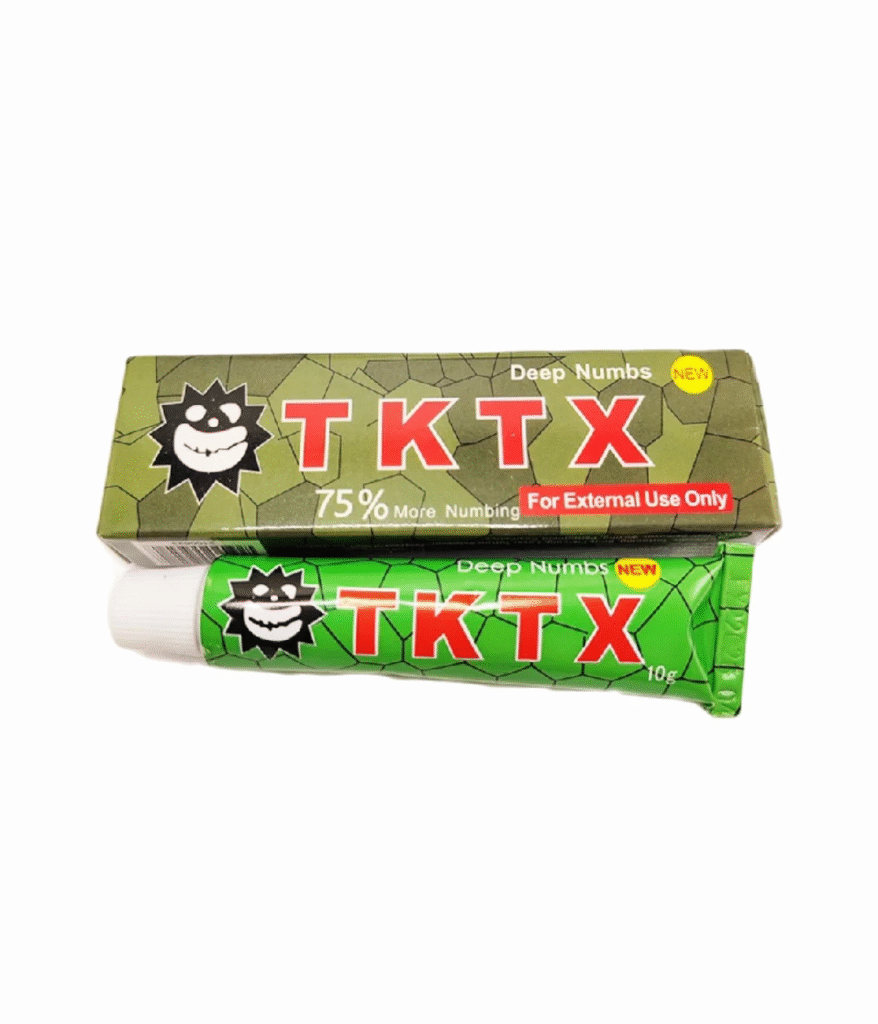
Getting a tattoo inked is as much about preparation as it is about the chosen design. A hurried, last‑minute approach can make the experience feel longer and more intense. Simple steps like cleaning the skin, staying hydrated, and managing expectations can reduce discomfort and improve the final result. Proper planning helps you walk into the studio feeling calm and ready.
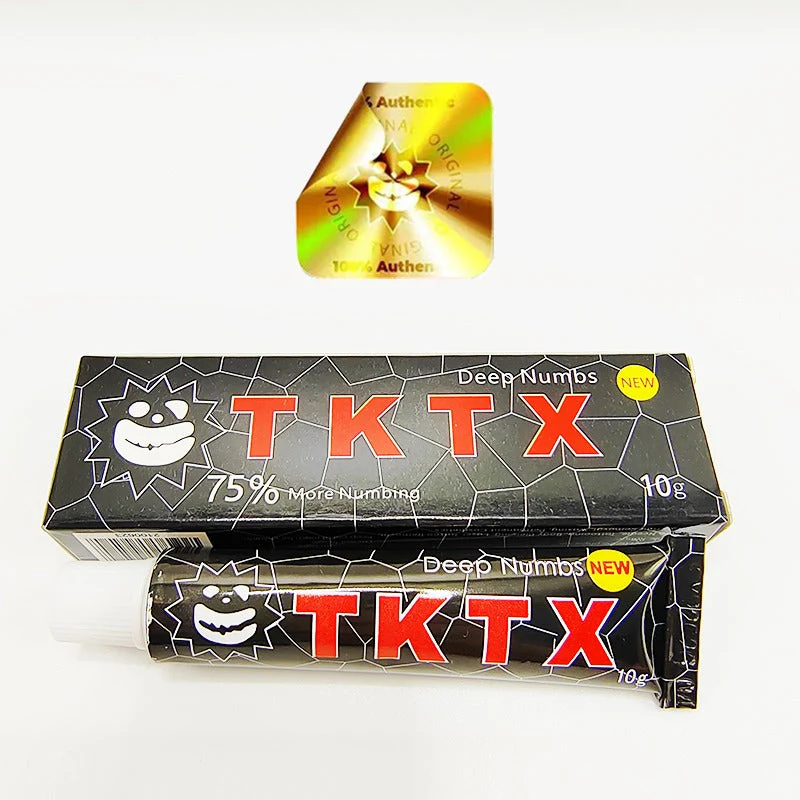
That is where TKTX Numbing Cream Australia fits into the process, giving you a way to manage the sensation before the needle even starts. Applied correctly, it helps soften the sting across the treatment area without numbing you completely. This makes it easier to sit still, listen to the artist, and enjoy the experience instead of just enduring it. It is a practical step that supports smoother sessions and cleaner lines.
Building Your Personal Pre‑Tattoo Ritual
Skin Care In The Days Before: In the days leading up to the session, keeping the area gently exfoliated and well‑moisturised can make the skin easier to work with. Harsh scrubs or heavy fragranced products are best avoided, as they can irritate the surface. Hydrated skin tends to hold ink better and react less to the needle.
Hydration And Nutrition On The Day: Drinking water and eating a balanced meal before the appointment helps keep energy levels stable. A low‑sugar snack like fruit or nuts can prevent a sudden drop in blood sugar during longer sessions. Avoiding alcohol and heavy caffeine helps reduce skin sensitivity and supports even blood flow.
Choosing The Right Mindset: A relaxed mindset can make the process feel shorter and more manageable. Familiarising yourself with the artist’s work, discussing the aftercare plan, and understanding what the procedure will feel like can ease anxiety. Knowing that discomfort is usually sharp but short‑lived helps many people stay calm.
How TKTX Numbing Cream Fits Into Your Routine
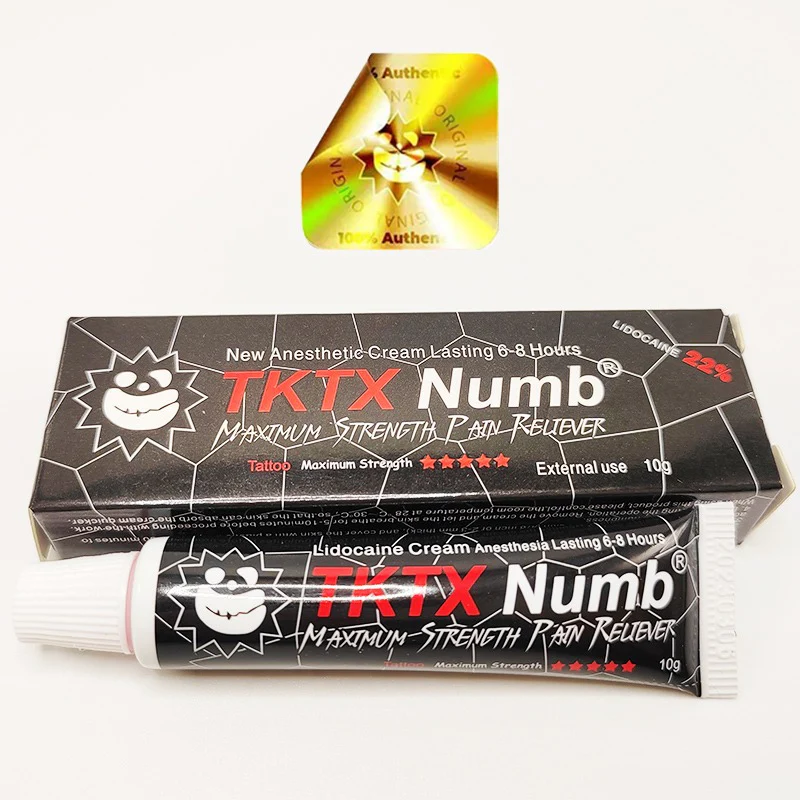
Timing Is Everything: TKTX Numbing Cream works best when given time to penetrate the outer layers of skin. Applying it under plastic wrap about 45–60 minutes before the session is common practice. This allows the active ingredients to reach the dermal layer, where they can gently reduce sensation. Rushing the timing often reduces its effectiveness.
Application Technique For Even Coverage: The cream should be spread in a thin, even layer over the tattoo area, then sealed with a plastic wrap. This creates a slight occlusive effect that helps the product absorb more evenly. It is important to avoid rubbing it in too aggressively, as this can irritate the surface. Gentle, smooth strokes work best.
Cleaning Off Before The Needle: The artist will usually wipe the cream away before starting, to ensure a clean, dry canvas for the tattoo. Residual product can interfere with machine grip and ink flow. Removing it carefully and then sanitising the skin keeps the process hygienic and supports tattoo quality.
Optimising Comfort Without Sacrificing Results
Balancing Numbness With Sensation: The goal is not to go completely numb, but to soften the sharper sting of the needle. Over‑numbing can make it harder to feel the artist’s pressure and positioning. That can lead to shifting or tensing, which in turn can affect line quality. The right balance supports comfort and technical control.
Managing Different Pain Zones: Some areas like ribs, spine, and joints tend to feel more intense. Pre‑treating these zones with TKTX Numbing Cream can make the session feel less daunting. The artist can still work precisely because the skin surface remains responsive. This helps keep the tattoo flowing smoothly without frequent breaks.
Supporting Long Sessions With Breaks: Even with numbing cream, longer sessions still benefit from short breaks. Stretching arms, legs, or the back can reduce muscle tension. Light movement and deep breaths help blood flow and keep the mind focused. This combination keeps discomfort from building up too quickly.
Practical Tips Between Prep And Aftercare
- Apply TKTX Numbing Cream only to clean, dry, unbroken skin following the manufacturer’s directions.
- Do a small patch test 24 hours before to check for any irritation or allergic reaction.
- Communicate with the artist about how the numbing feels so they can adjust speed and pressure.
- Keep the tattooed area away from strong fragranced products and harsh exfoliants during the first week.
- Follow the recommended wound care protocol to reduce the risk of infection and support clear healing.
Turning Discomfort Into A Manageable Part Of The Art
A well‑prepared tattoo experience does not mean the needle feels like nothing. It means the discomfort is predictable, brief, and easier to tolerate. When proper numbing, good timing, and simple self‑care are combined, the process feels more like a focused ritual than a chore. That shift can make people more confident in choosing larger pieces or more detailed work. It also helps you feel in control of the physical side of the experience, rather than at the mercy of the machine. If you are planning your next tattoo, take the time to build a thoughtful prep routine that includes numbing support and proper aftercare.